

___________________________________________________________________________________________
The Ministry For Primary Industries (MPI) has released the National Exotic Forest Description 2025 (NEFD), which provides the latest snapshot of New Zealand’s plantation forests. The report summarises forest area, species mix, age classes, and regional distribution, based on the most recent survey of forest owners and managers. It also helps inform future wood supply expectations.
In 2025, New Zealand’s net stocked plantation area reached 1.82 million hectares, up 1.4% from last year. Total standing volume increased to 572 million cubic metres, compared with 561 million cubic metres in 2024 — a 2.0% increase.
The average age of the radiata pine estate rose from 17.7 to 18.2 years, meaning the forest estate is gradually getting older and more heavily stocked overall.
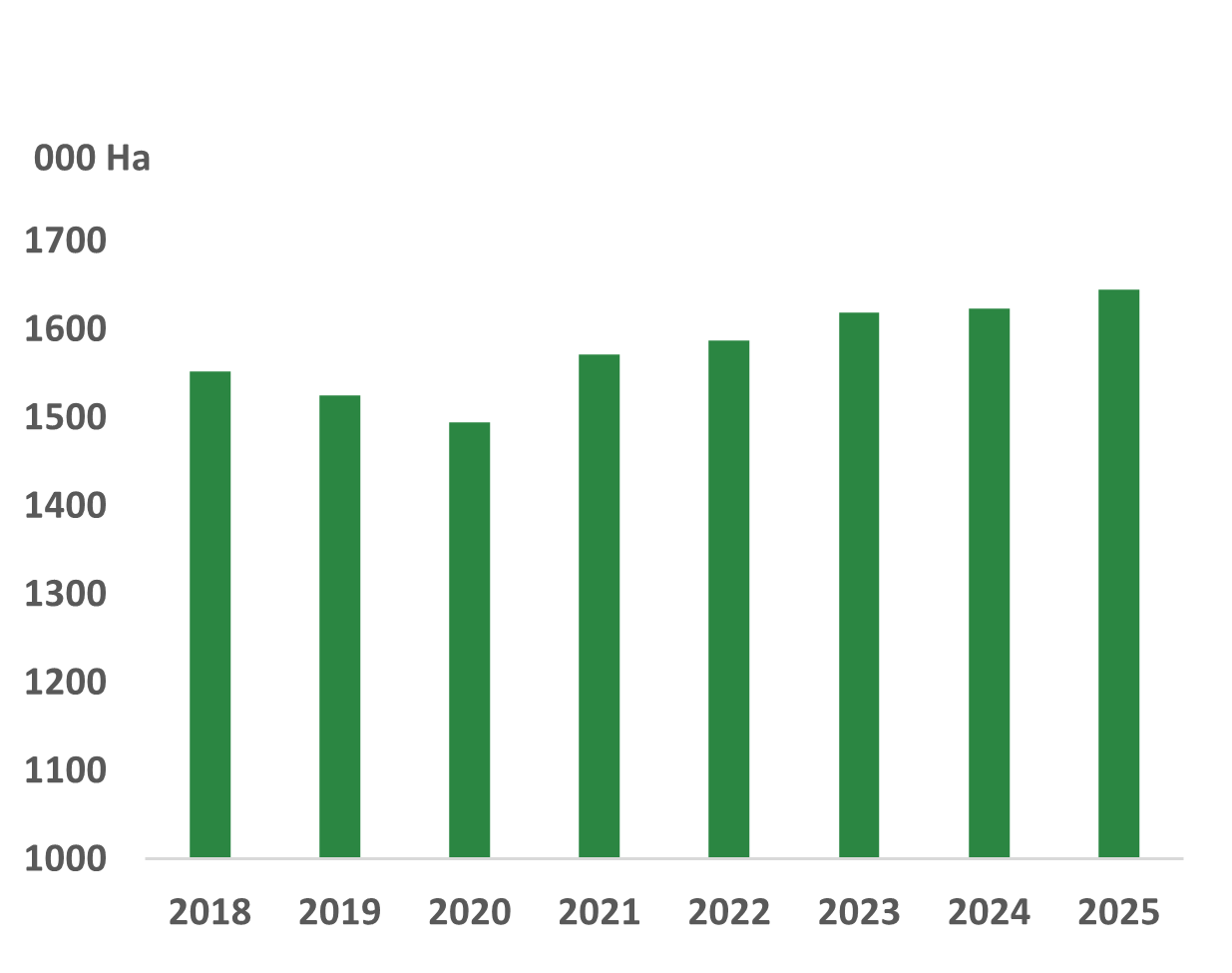
Figure 1. Area of Radiata Pine in New Zealand
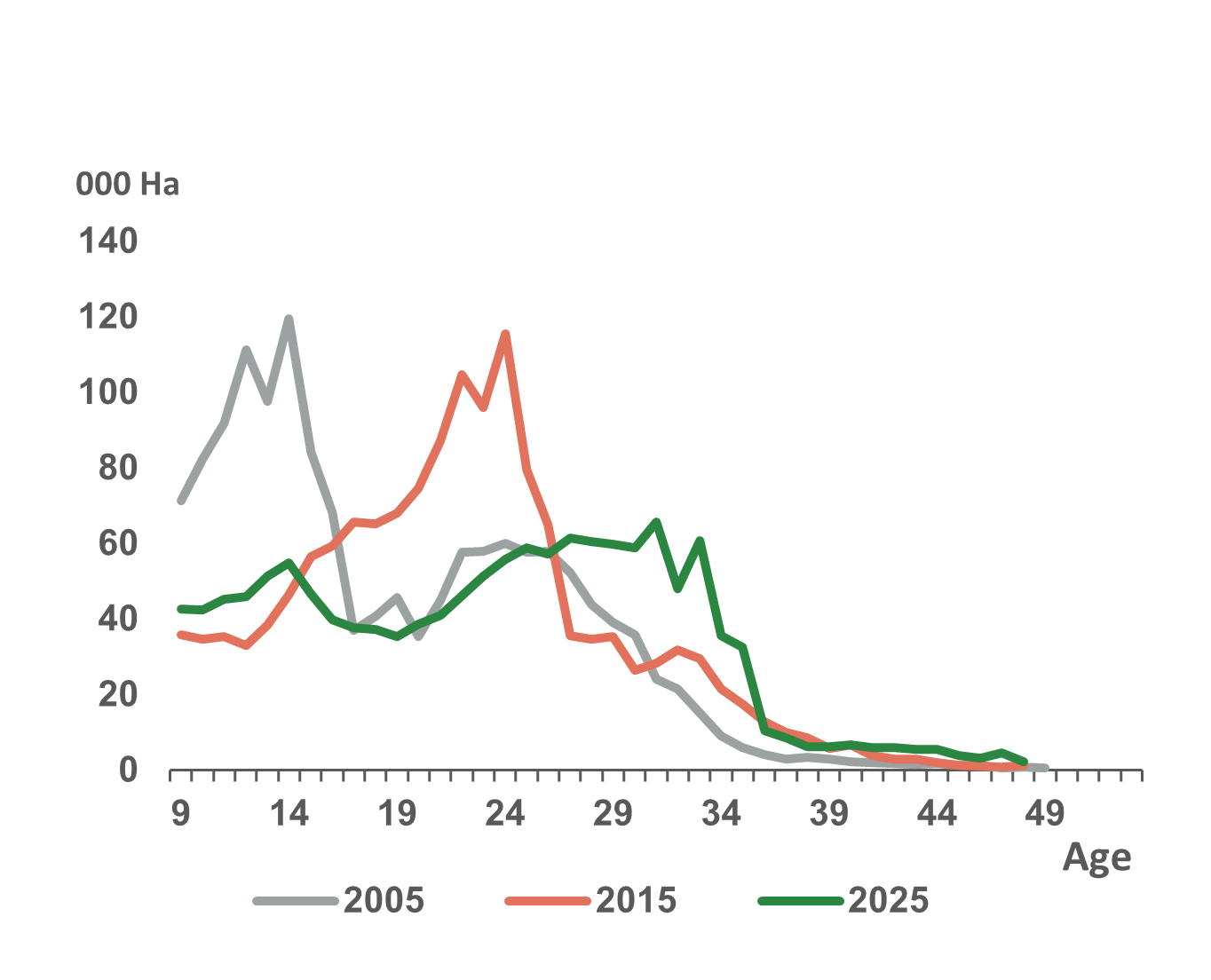
The age structure of New Zealand’s forests remains uneven, with a large “bulge” in the 22–31 year age classes. These forests were planted during the large planting boom of the 1990s and are now reaching or passing typical harvest age. Although many of these forests have already been harvested, the bulge remains visible.
In contrast, forests in the younger mid-rotation age classes are under-represented because planting slowed sharply after the 1990s. This uneven age structure continues to create uncertainty around future wood availability, depending on how harvest rates evolve.
Figure 2. Area By Age Class for All Species
The area of forests in the 26–40 year age range, broadly considered harvest-ready, increased by 8.3% to 466,000 hectares. This now represents 28% of the national estate.
Regional differences are significant:
Hawke's Bay was the only region to report a decline in this age group. These regional differences reflect past planting patterns, growth rates, harvesting policies, and production costs
Figure 3. Area of 26 - 40 Year Old Radiata Pine

Normally, an increase in harvest-ready forest would lead to larger harvest volumes. However, weak export markets have limited harvesting activity. As a result, harvesting has slowed, and the mature forest pool continues to build.
Earlier MPI projections suggested harvest volumes could fall from the late 2020s through to 2040 due to a shortage of mid-rotation forests. Given the growing area of mature forests and slower harvesting rates, this scenario now looks less likely at the national level.
That said, regional shortages remain possible. For example, Hawke’s Bay, with fewer forests in the 7–23-year age classes, could still face declining harvest volumes through to 2040.
New Zealand’s plantation estate is older and more harvest-ready than ever before, but market conditions — rather than forest availability — are currently the main constraint on production. Regional differences in age structure mean supply challenges will vary significantly around the country.